Reid Wiseman and the Emotional Naming of Moon Craters After Commander's Wife

Editor 07 Apr, 2026 ... min lectura

The recent developments surrounding the naming of lunar craters have stirred significant emotion within the space community, prompting reactions from those closely connected to the Artemis II mission. This event, where a crew chose to honor a memory, highlights the deep human connection to exploration and the sacrifices made by those involved in reaching the Moon.

Specifically, the decision to name some visible lunar craters after a commander's late wife, as shared by astronaut Jeremy Hansen during the Artemis II mission, resonated deeply. This act transforms a geographical feature into a lasting tribute, emphasizing themes of remembrance and respect amidst the high-stakes environment of deep space exploration.

How Do We Process Such Emotional Tributes in Space Missions?

The experience of the Artemis II crew, as reported by various outlets, provides a window into the psychological landscape of astronauts. While focusing on technical achievements like visibility with the naked eye, these missions are fundamentally human endeavors. The decision to imbue the Moon's surface with personal significance speaks volumes about the shared vulnerability and emotional bonds that form within a small, isolated group operating at the edge of human capability.

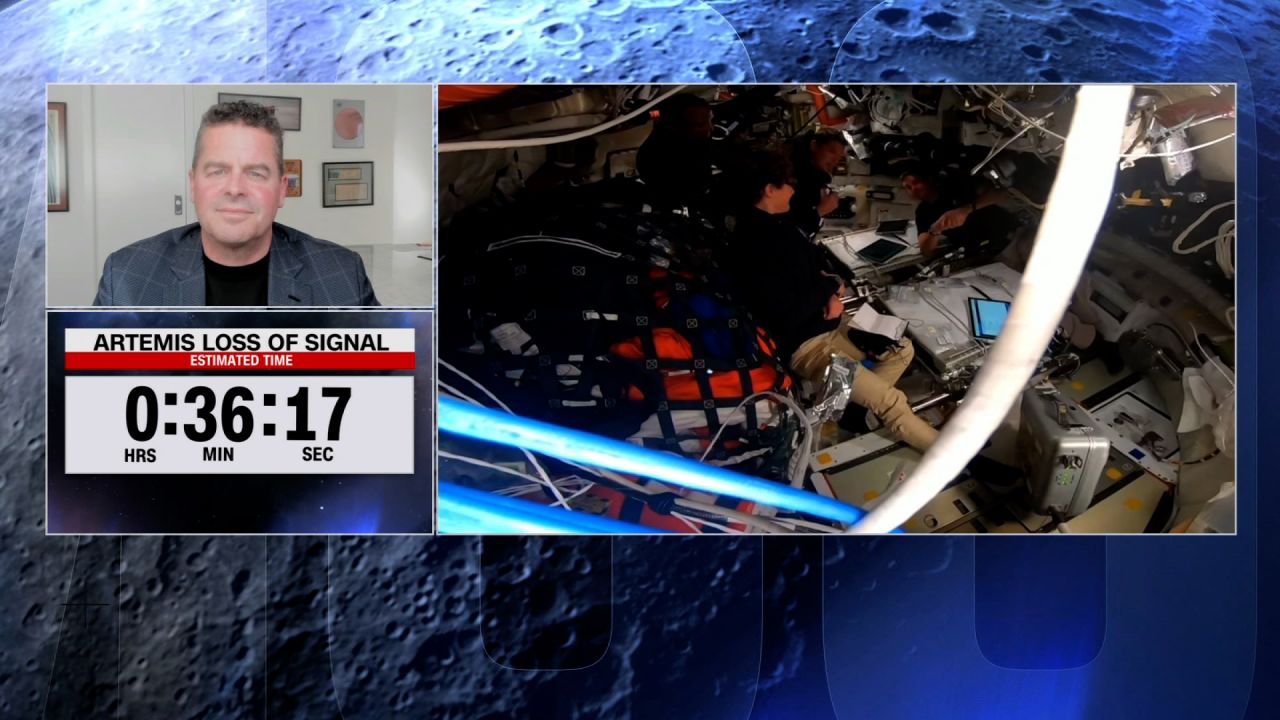
This sentiment was further reflected in the reactions from family members. For instance, the brother of NASA Astronaut Reid Wiseman provided commentary on this heartfelt moment, underscoring the broader impact of such personal tributes across the space community. Such interactions bridge the gap between the technical execution of a mission and the profound emotional reality experienced by the participants.

The context extends beyond the astronauts themselves. The public discourse surrounding Artemis missions often balances scientific reporting with the human element. Stories like David Muir's praise for sharing a heartbreaking moment underscore the necessity of acknowledging these emotional facets alongside the technological milestones achieved during lunar flybys and expeditions.

The Human Element in Lunar Exploration

Exploration, whether on Earth or the Moon, is driven by an innate desire to understand and connect. The Artemis program embodies this dual drive—scientific rigor combined with profound human empathy. When astronauts name features after loved ones, they are engaging with a universal experience of loss and enduring memory. This narrative is powerful because it reminds us that behind every technical parameter, there are individuals navigating immense personal challenges while striving for the extraordinary.

The involvement of figures like Reid Wiseman’s family in reacting to these moments demonstrates how these events permeate personal spheres. It shows that the emotional weight of space exploration extends beyond the mission control centers and into the families and communities that support the astronauts. This interconnectedness solidifies the narrative of exploration as a deeply human story.

Future missions will continue to push boundaries, but the way we commemorate these milestones—through personal acts of remembrance—will remain central to how humanity defines its reach into the cosmos. The emotional resonance of naming lunar features after loved ones serves as a powerful reminder of the profound human commitment driving every step taken toward the Moon and beyond.

  • The act of naming craters transforms them into memorials.
  • Emotional tributes highlight the deep human connection to exploration.
  • Family reactions underscore the shared vulnerability of space missions.

This synthesis of scientific achievement and personal emotion defines the true narrative of lunar exploration for those who witness it, including astronauts and their families.