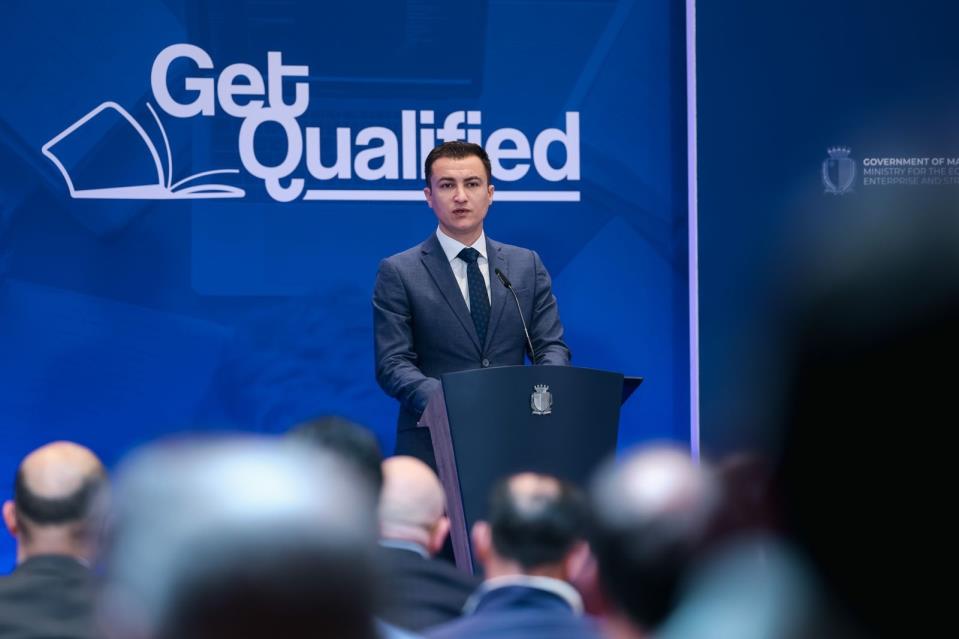
The government of Malta has recently unveiled a significant enhancement to its 'Get Qualified' scheme, marking a strategic pivot aimed at bolstering the nation's commitment to Science, Technology, Engineering, and Mathematics (STEM) education. This initiative, launched on Monday, April 6, 2026, is designed to provide a robust framework for educational development extending until 2030.
This enhanced version of the scheme represents more than just an administrative update; it signifies a deep-seated governmental priority to ensure that Malta's educational outputs are aligned with the demands of the modern global economy. By extending the duration and refining the focus, the government is actively working to cultivate a future workforce equipped with the critical analytical and problem-solving skills necessary for innovation.
Why Does Malta Need to Enhance Its Qualifications Scheme Now?
Addressing Global Competitiveness Through STEM Focus
The decision to launch an enhanced 'Get Qualified' scheme directly addresses the imperative of global competitiveness. In an increasingly interconnected world, nations must prioritize investments in human capital, especially skills related to STEM fields. Malta recognizes that a strong base in these areas is crucial for fostering technological advancement, driving economic growth, and ensuring that its citizens can participate effectively in the global marketplace.
Historically, educational reforms often lag behind the rapid pace of technological evolution. By intensifying the focus on STEM within the 'Get Qualified' framework, the Maltese government seeks to bridge this gap. The goal is not merely to teach subjects but to instill a mindset conducive to research, critical thinking, and innovative problem-solving—attributes that are highly valued in the 21st-century landscape.
The Evolution of the Scheme: From General Qualification to STEM Specialization
The revision of the scheme, as reported by various news outlets, demonstrates a clear evolution. The previous iterations likely served a more general qualification purpose. The enhanced version introduces a marked increase in focus on STEM subjects. This shift indicates a move away from broad educational attainment towards specialized, high-demand skills that are essential for future technological and industrial sectors.
This specialization is crucial because it tailors the educational trajectory to specific career paths. For students in Malta, this means opportunities are being created to delve deeper into engineering solutions, technological applications, and scientific methodologies from an earlier stage of their education. This specialized approach ensures that qualifications reflect actual competencies rather than just theoretical knowledge.
Long-Term Vision: Securing Educational Stability Until 2030
Extending the duration of the scheme until 2030 provides a long-term vision for educational stability and planning. This extended timeline allows for more comprehensive curriculum development, sustained investment in specialized facilities, and consistent pedagogical approaches across all educational levels. It ensures that the reforms are not temporary measures but foundational shifts that will yield lasting benefits for Maltese education.
The commitment to this extended framework suggests a belief that sustained focus on STEM qualifications is the most reliable path to achieving long-term societal and economic development. It positions Malta as an educational hub capable of nurturing highly skilled talent ready to tackle future challenges.
Implications for Education and Industry in Malta
The enhanced scheme has profound implications for both the educational system and the industrial landscape within Malta. On the educational side, it necessitates a complete overhaul of teaching methodologies, requiring educators to integrate STEM concepts more deeply into all subjects. This demands investment in modern teaching resources and continuous professional development for teachers to effectively implement the revised framework.
For the industry, this shift signals a readiness to attract and retain talent skilled in technological domains. Maltese businesses will find an educational pipeline that is better aligned with their needs, potentially leading to a stronger pool of local expertise in areas like software development, renewable energy, and advanced manufacturing.
Ultimately, the enhanced 'Get Qualified' scheme is Malta's strategic response to the demands of the modern era. It is an investment in its people, designed to ensure that the next generation is not just qualified, but exceptionally prepared to lead in a technologically driven world.